

What You Should Know About the 4 Stages of Osteoarthritis
10 October 2025

Osteoarthritis is a common joint problem that affects millions of people today. It gets worse over time and can make it hard to move around easily or enjoy everyday activities. People can prevent it by learning about the different stages of Osteoarthritis. This will help them see the first signs and make good decisions.
The knee is one of the most common sites affected by osteoarthritis. The knee joint supports some of the body’s weight, and over time, the cartilage that protects the bones can wear down. This blog discusses of how this happens and what you should know about the four stages of osteoarthritis.
Understanding Osteoarthritis
Osteoarthritis is a chronic condition characterised by the degeneration of the smooth cartilage that caps the ends of bones within a joint. The bones begin to rub against each other as the cartilage wears away. This causes pain, stiffness, and limited range of motion.
It doesn’t happen all at once. The condition can worsen over time if left untreated, even though it may not worsen right away. Knowing the stages of osteoarthritis lets you take steps to prevent it from worsening early on, helping keep your joints flexible and comfortable.
Common Causes of Osteoarthritis
Not everyone has the same reasons for getting osteoarthritis. It can happen because of a mix of genetic, physical, and lifestyle factors. Here are some of the most common causes:
| Possible Cause | How It Contributes |
| Age | Cartilage naturally gets thinner and less flexible as people get older. |
| Genetic Factors | Having a family history of osteoarthritis may increase a person’s risk of developing it. |
| Joint Alignment Issues | Misalignment might cause uneven wear and tear on joint cartilage, particularly over time. |
| Previous Injuries | Injuries to the knee joint from past osteoarthritis can weaken the structure and cause it to break down earlier. |
| Weight | Excess body weight places additional pressure on load-bearing joints, such as the knees and hips. |
The 4 Stages of Osteoarthritis
Osteoarthritis usually progresses through four stages, each marked by increased cartilage wear and changes in joint function. Knowing these stages can help you spot early signs and take steps to keep your joints healthy.
Stage 1: Minor Problems
At this stage, very minor wear indicators may begin to appear on the cartilage. Many people do not yet exhibit any obvious symptoms of osteoarthritis. There is minimal stiffness or pain, and the joint functions well.
Since this stage is frequently silent, it can be beneficial to pay attention to minor discomfort in the osteoarthritis knee joint. People can adjust their activity levels to help maintain joint function when they are aware of the problem early on.
Stage 2: Mild Stage
In the second stage of the four stages of osteoarthritis, cartilage begins to thin slightly, and small bone changes might appear. Symptoms become more noticeable during specific movements, including climbing stairs or standing for extended periods.
You may experience stiffness, especially in the morning or after a period of rest. Mild swelling can also occur as the osteoarthritis knee begins to respond to cartilage wear. Recognising these subtle changes is important because this is often when osteoarthritis first becomes detectable through physical signs.
Stage 3: Moderate Osteoarthritis
At this point, the loss of cartilage is more obvious, and the space between the bones in the joint starts to get smaller. People with osteoarthritis may experience pain, swelling, or a grating sensation when bending or straightening their knees.
The knee joint with osteoarthritis may feel weaker, making it harder to move freely. Walking, squatting, or sitting for long periods of time may make you uncomfortable. At this point, getting a medical evaluation can help you understand how much your joints have changed and how to best deal with them.
Stage 4: Severe Osteoarthritis
In the last stage, the cartilage has worn down significantly, and the bones may start to rub directly against each other. This makes the joints stiff, hurts all the time, and makes it harder to move them. You might notice swelling more often, and it might be harder to move.
At this point, the knee with osteoarthritis often feels unstable, making everyday activities difficult. Recognising this stage of osteoarthritis underscores the significance of early diagnosis and ongoing management.
Also Read Homeopathy Treatment for Osteoarthritis – Is it a good option?
Recognising Osteoarthritis Symptoms
The osteoarthritis symptoms vary depending on the affected joint, but common signs include:
- Aching or persistent pain in the joint
- Stiffness, especially after rest or inactivity
- Swelling around the affected area
- Reduced range of motion
- A grinding or cracking sound when your joint moves
These symptoms may appear gradually, and many people mistakenly attribute them to normal ageing. However, paying attention to these signs—especially if they affect the osteoarthritis knee joint—is crucial. Early detection can significantly impact the progression of the condition.
Why Early Awareness Matters
It’s easier to change your habits, see a doctor, and keep your joints healthy when you know what to look for.
Awareness also helps people set realistic goals. Osteoarthritis doesn’t get better on its own, but taking action can slow its progress and make everyday life easier.
Living with Osteoarthritis
Getting a diagnosis of osteoarthritis can be upsetting, but it’s important to remember that the condition can be managed well if you are aware of it and stick to your plan. Many people still live active, fulfilling lives by being aware of their movement and overall health.
To protect the knee that has osteoarthritis, you should do a variety of activities, sit up straight, and take care of yourself in ways that don’t put too much stress on it. Every small positive change helps with long-term comfort and mobility.
Also Read 5 Risks You Face When Carrying Excess Weight
Taking a Proactive Approach
Osteoarthritis gets worse over time, but it doesn’t happen all at once. Early small steps can have a big effect. Eating a balanced diet, staying active, and being aware of your joint health all help slow the progression of osteoarthritis.
Paying attention to what your body is telling you is very important. If the pain or stiffness doesn’t go away, you should see a qualified healthcare provider for an evaluation. This will ensure you get advice specific to your condition.
Choosing Trusted Support
When it comes to health, it’s important to have accurate information and brands you can trust. Schwabe India is a well-known name in healthcare worldwide. People know it for its dedication to quality and scientific research. The brand still helps people who want to be healthier and happier overall.
Disclaimer
This blog is not meant to give medical advice; it is intended only to provide information. It is not meant to replace, diagnose, or treat a professional medical consultation. If you have questions about your health or medical condition, you should always talk to a qualified healthcare professional.
More Articles
Eczema Care in Indian Climate: Gentle Homoeopathic & Lifestyle Tips
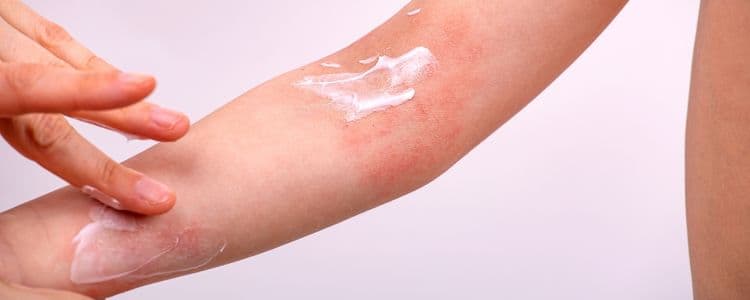
India has such a rich culture—the festivals, the incredible food, those warm sunny days. But if you’re dealing with eczema care in India, the humid weather here can throw you some curveballs. The humidity gets crazy, the heat’s intense, and seasons shift suddenly, which messes with how your skin feels and acts. Getting help from […]
Are Pumpkin Seeds Healthy? Benefits, Protein, and Uses
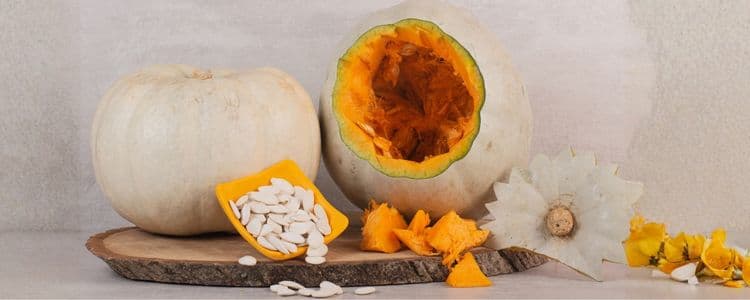
Sometimes, the smallest foods have the most power. Kaddu ke beej (pumpkin seeds) are a great example. These little, flat, green seeds are full of nutrients that can help you stay healthy. People have been paying more attention to everyday foods that naturally improve health in recent years. Of these, pumpkin seeds have become one […]

How To Recognise Tuberculosis In Its Early Stages
Tuberculosis (TB) continues to be one of the most pressing public health concerns worldwide, and particularly in India, where the disease remains widespread. According to the World Health Organisation (WHO), India accounts for a significant portion of the global TB burden. Despite decades of research and awareness campaigns, Tuberculosis’s early signs often go unnoticed because […]

5 Everyday Indian Foods That Can Transform Your Hair Health Naturally
If there’s one thing almost every Indian household loves talking about, it’s hair. Whether it’s long braids, soft curls, or that thick, glossy look we’ve seen in old family photographs, natural hair health has always been part of our culture. What many people overlook, though, is the strong connection between hair and food. Long before […]

What Makes Armpits Smell? What Causes Underarm Odour, How to Get Rid of It, and How to Avoid It
Let’s be honest: we’ve all had to deal with body odour at some point. But what if your armpits still smell no matter what you do? That really is annoying. You take a shower, put on deodorant, and somehow the underarm smell still stays. If this sounds like you, you’re not alone, and it’s not […]
Head Lice in Kids: What Causes Them, Myths, and How to Care for Them
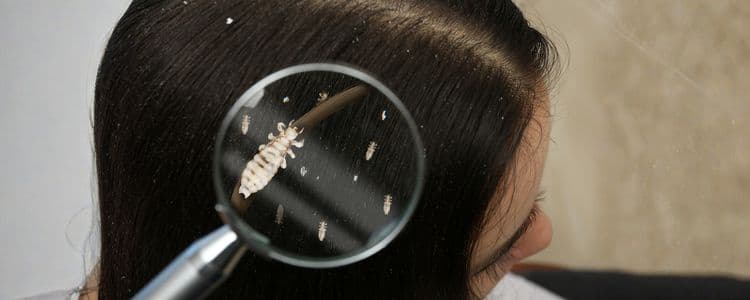
Parents, especially those with young kids who go to school, often worry about head lice. Just one mention of lice can make anyone in the house feel worried and uncomfortable. These bugs can not only make you itch, but they can also make you feel bad about yourself. Even though it’s a common problem, many […]