

Keep a Healthy Heart Beat with Homeopathy!
12/07/2017

Heart palpitations are triggered by various reasons such as stress, medication, exercise or a medical condition. Leading an unhealthy lifestyle that includes smoking, continuous consumption of alcohol, constipation, improper digestion can also lead to palpitations. Palpitations are the feelings where a person feels fluttering or throbbing sensation in the heart and the heart is forced to pump the blood more quickly. A normal resting heart rate for adults ranges from 60-100 beats a minute. A lower heart rate at rest, usually implies more efficient heart function and better cardiovascular fitness.
Sometimes the throbbing can be triggered by various factors and the homeopathic mode of treatment is very beneficial for curing it. Made of natural substances, the homepathy treatment for heart diseases are completely safe and have no side effects.
Schwabe’s Essentia Aurea, one of the most trusted homeopathic medicines for heart disease is a tonic which improves the muscular tone of the heart and reduces narrowing of blood vessels. Essentia Aurea regulates the pulse, increases the efficiency of heart muscles, lowers the blood pressure, controls sweating, insomnia, trembling and mental nervousness caused because of cardiac related issues. The other major benefit of this tonic is that it also takes care of cardiac dropsy associated with dyspnoea.
Also Read Learn the Risk Factors for a Silent Heart Attack
Another recommended product for cardiovascular diseases is Schwabe’s Save Your Heart Kit. It is a combination of the following.
- Essentia Aurea – The cardio-tonic which improves muscular tone, regulates blood pressure and reduces the narrowing of blood vessels.
- Viscum Pentarkan – Regulates mild to moderate form of high blood pressure, strengthens the heart muscles and improves the quality of life.
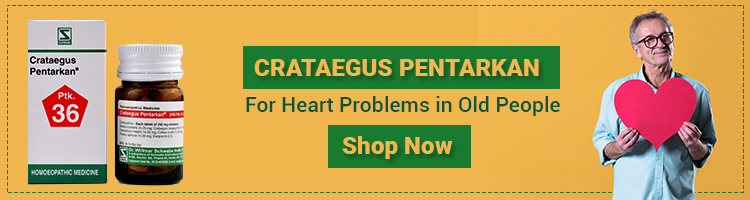
- Crataegus Pentarkan – Improves circulation in the heart and cardiac weakeness.
Homeopathy medicine for heart disease is one of the best treatments without any side effects but it is highly recommended to also introduce a healthier lifestyle and diet in order to regulate the functioning of the most important organ in the body. The diet must include foods rich in proteins, vitamins and minerals. Harmful substances and habits such as alcohol, cigarettes, caffeine, white flour products and additives in substances used to enhance the flavour must be avoided in order to lead a happier and healthier life.
-
Product on sale
 Crataegus Pentarkan*
₹197.00₹157.60 -
Product on sale
 Essentia aurea
₹220.00₹176.00 -
Product on sale
 Viscum Pentarkan*
₹202.00₹161.60
More Articles

Exercises and Lifestyle Tips for Frozen Shoulder Relief
Shoulder movement rarely gets the attention it deserves until the day it stops feeling effortless. Reaching for something on a high shelf, fastening clothes behind the back, or simply turning over during sleep can shift from automatic to genuinely effortful when stiffness begins to take hold. For many people, this is the point at which […]

Risk Factors for Alzheimer’s Disease: What Increases the Chances?
Memory is something most people take for granted—until the moments where it falters start adding up. A name that won’t come. A question asked twice in the same conversation. A familiar street that suddenly requires more thought than it should. Individually, these moments feel small. Collectively, they can signal something worth paying attention to. Alzheimer’s […]

10 Daily Habits That Support Better Sleep With Restless Legs
Anyone who has spent a night dealing with an unrelenting urge to move their legs knows exactly how exhausting it gets. The discomfort arrives just as the body is winding down, and no matter how tired a person feels, sleep stays frustratingly out of reach. Shift position, find relief for a moment, settle back down, […]

5 Foods That May Help Improve Energy Levels Naturally
There are days when even simple tasks feel more tiring than they should. You may wake up feeling low on energy, struggle to stay focused through the afternoon, or find yourself relying on quick fixes that do not last. While occasional fatigue is normal, consistently low energy often points toward everyday habits that can be […]

5 Tips to Maintain Healthy Neck Posture During Work
Desk work has become the default for a large portion of the working population. However, it comes with a set of physical challenges that were far less common when work involved more varied movement. Among the most frequently reported problems is neck pain from working on a computer, a trouble that rarely announces itself dramatically […]

Cervical Spondylosis: Causes, Symptoms and Ways to Manage Neck Discomfort
Neck discomfort is often dismissed as a temporary issue, especially in routines that involve long hours of sitting or screen use. However, when stiffness or restricted movement becomes more frequent, it may indicate underlying changes in the cervical spine. These changes are commonly associated with what is described as cervical spondylosis. Understanding cervical spine problems […]