

Different Types Of Psoriasis And Their Symptoms
17 September 2025

Psoriasis is more than a skin problem—it is a chronic health condition that profoundly affects both the body and the mind. Across the world, and increasingly in India, people are becoming more aware of how psoriasis impacts not only their physical health but also their confidence and daily living. Yet, despite this awareness, myths and confusion still surround the condition.
This blog will explain the types of psoriasis, the most common symptoms of psoriasis, and the factors that may exacerbate them. With the right knowledge, people can build better psoriasis awareness and manage the challenges of this condition with more confidence and compassion.
Understanding Psoriasis as a Chronic Skin Condition
Psoriasis is often described as a chronic skin condition where the skin cells multiply faster than normal. This results in the build-up of dry, scaly, or inflamed skin, commonly seen as psoriasis patches on the skin.
Unlike other temporary skin conditions, psoriasis tends to recur in cycles, also known as psoriasis flare-ups. It may get better for some time and then reappear due to certain psoriasis triggers in India, such as weather changes, infections, or stress.
Many people mistake psoriasis for eczema. However, the difference between psoriasis and eczema becomes clear when closely observed. Psoriasis typically produces thicker, sharply defined, scaly patches, whereas eczema tends to appear more inflamed, moist, and less well-defined.
Also Read How Homeopathy Resolves Skin Problems?
What Causes Psoriasis?
The reasons are not completely understood, but experts agree that it is a combination of the immune system, genetics, and environmental factors.
- Genetic Causes of Psoriasis: Having a family member with psoriasis maximises the likelihood of developing the condition.
- Immune System Changes: The immune system wrongly speeds up skin cell growth.
- External Factors: Climate, infections, injuries, or even lifestyle factors often trigger psoriasis flare-ups.
A strong link exists between psoriasis and stress. Stress does not cause psoriasis on its own, but it can make symptoms worse, which then increases stress again—a difficult cycle many patients report.
Another common factor is climate. In the colder months, people often experience psoriasis winter flare-ups as dry air and a lack of sunlight aggravate the condition.
The Different Types of Psoriasis
Psoriasis is not the same for everyone. The condition appears in multiple forms, each with its own characteristics. Recognising the types of psoriasis is important for building better awareness of psoriasis.
1. Plaque Psoriasis
This is the most common type. It appears as raised, red areas covered with silvery scales. These psoriasis patches often appear on the elbows, knees, scalp, and lower back.
2. Guttate Psoriasis
Guttate psoriasis often affects children and younger adults. It appears as small, drop-like red spots on the skin. Since throat infections can trigger it, psoriasis is more common in children.
3. Inverse Psoriasis
Inverse psoriasis typically develops in skin folds, such as those found under the arms, around the breasts, or in the groin area. The patches are smooth, red, and shiny, often irritated by sweat or friction.
4. Pustular Psoriasis
This type produces white blisters filled with pus on inflamed skin. It is not contagious, but its appearance can cause discomfort and highlight the many challenges of living with psoriasis in daily life.
5. Erythrodermic Psoriasis
This rare but severe type causes widespread redness, scaling, and intense irritation. While uncommon, it serves as a reminder of how serious this chronic skin condition can become if not well-managed.
6. Scalp Psoriasis
Many people in India experience scalp involvement. Psoriasis scalp symptoms include flaking, itching, and scaling that may look like dandruff but are often thicker and extend beyond the hairline.
Recognising the Symptoms
The most visible psoriasis symptoms are:
- Red patches covered with silvery-white scales
- Dry, cracked skin that may itch or cause soreness
- Thickened or ridged nails
- Psoriasis scalp symptoms, such as heavy flaking and dryness
- Cycles of psoriasis flare-ups that come and go
Learning to identify these symptoms early is essential, especially for parents looking out for psoriasis in children. Awareness at the right stage can help reduce confusion and improve support.
Psoriasis Triggers in India
In India, certain triggers tend to worsen psoriasis skin disease more often:
- Climate: Heat and humidity can be challenging, but dryness in winters makes psoriasis winter flare-ups more common.
- Stress: The connection between psoriasis and stress is especially noticeable in busy urban environments, where high-pressure jobs and daily challenges can significantly raise stress levels.
- Infections: Throat and skin infections are frequent triggers of psoriasis in India, especially among children.
- Lifestyle: Irregular eating habits, smoking, or alcohol can act as aggravating factors.
Psoriasis Myths and Facts
Misinformation makes life harder for people with psoriasis. Understanding the myths and facts about psoriasis is crucial for reducing the stigma associated with this condition.
- Myth: Psoriasis is contagious.
- Fact: It is not contagious and cannot spread through touch.
- Myth: Psoriasis is only a skin problem.
- Fact: It is a chronic skin condition associated with immune function and overall health.
- Myth: Only adults get psoriasis.
- Fact: Psoriasis in children is a real condition that requires equal awareness.
Dispelling these myths through correct information helps create empathy and stronger psoriasis awareness in society.
Daily Life Challenges with Psoriasis
The struggle with psoriasis is not limited to physical discomfort. People face many psoriasis and daily life challenges:
- Difficulty choosing clothes that cover visible psoriasis patches on the skin
- Hesitation in social interactions due to appearance
- Sleep disturbances from itching or discomfort
- Increased anxiety due to the psoriasis stress connection
These experiences highlight why compassion and awareness are just as important as medical knowledge when discussing psoriasis skin disease.
Lifestyle Management for Psoriasis
Since psoriasis cannot be completely prevented, managing a psoriasis lifestyle plays a key role. Paying attention to the diet, managing stress, getting adequate sleep, and protecting your skin from weather extremes can help reduce psoriasis flare-ups.
There is also growing talk about psoriasis home remedies (general awareness). While some may provide comfort, it is important to remember they are not substitutes for proper medical guidance. People must carefully weigh the facts and myths of psoriasis before relying on such approaches.
Also Read Why Fungal Infections Keep Coming Back – And How To Treat Them Effectively
A Quick Look: Psoriasis vs Eczema
To make the psoriasis vs eczema difference clear, here’s a simple comparison:
| Aspect | Psoriasis | Eczema |
| Nature | Psoriasis chronic skin condition with rapid skin cell growth | Inflammatory conditions are often linked to allergies |
| Appearance | Thick, silvery, scaly psoriasis patches on the skin | Red, itchy, sometimes moist patches |
| Triggers | Stress, climate, infections | Allergens, irritants, detergents |
| Common Challenge | Cyclic psoriasis flare-ups | Frequent itching and dryness |
Building Awareness in India
The rise of psoriasis in India underscores the urgent need for enhanced education and awareness. By recognising the genetic causes of psoriasis, identifying its symptoms, and promoting lifestyle management, individuals and families can approach this chronic skin condition with greater clarity.
Awareness helps reduce stigma, clears up confusion about psoriasis myths and facts, and encourages society to show empathy.
Building Understanding and Support for Psoriasis in India
Psoriasis is not just a skin concern—it affects physical health, emotional well-being, and social life. By understanding the types of psoriasis, identifying its symptoms, and being aware of its causes, individuals can take steps toward better managing their psoriasis.
Whether it’s coping with psoriasis scalp symptoms, supporting children with psoriasis, or managing psoriasis winter flare-ups, knowledge is the first step. With the right awareness, individuals can handle psoriasis and daily life challenges with dignity and confidence.
Schwabe India continues to play a crucial role in raising awareness about psoriasis, empowering individuals with the information they need to face this condition with resilience and compassion.
Disclaimer: This article is for general informational and educational purposes only. It should not be taken as medical advice or used as a substitute for professional consultation. Psoriasis is a chronic condition that requires proper medical evaluation and care. If you or someone you know experiences symptoms of psoriasis, please consult a qualified healthcare professional.
More Articles
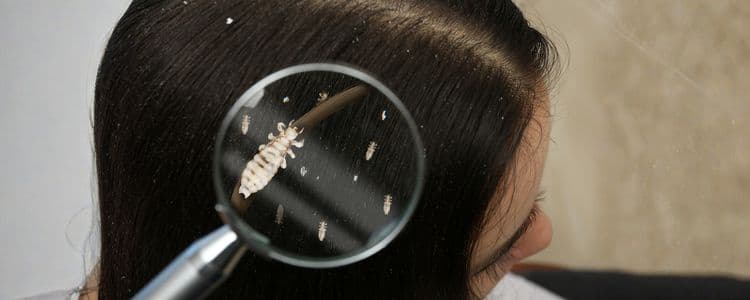
Head Lice in Kids: What Causes Them, Myths, and How to Care for Them
Parents, especially those with young kids who go to school, often worry about head lice. Just one mention of lice can make anyone in the house feel worried and uncomfortable. These bugs can not only make you itch, but they can also make you feel bad about yourself. Even though it’s a common problem, many […]

Echinacea Angustifolia: The best immunity booster
There are nine known species of Echinacea. The most commonly used Echinacea angustifolia is believed to offer the most wonderful health benefits. It is used fresh, dried to make teas, juice, extracts or preparations for external use. There are two approaches to treating ill people. Therapeutic methods that directly leave a impact on the specific […]

10 Indian Foods That Naturally Boost Memory & Concentration
Here’s something we don’t talk about enough: your brain needs good food just as much as your body does. Think about it—students are pulling all-nighters before exams, office workers are juggling back-to-back meetings, and honestly, most of us just want to remember basic stuff without feeling like our minds are in a fog. What you […]
Are Pumpkin Seeds Healthy? Benefits, Protein, and Uses
Sometimes, the smallest foods have the most power. Kaddu ke beej (pumpkin seeds) are a great example. These little, flat, green seeds are full of nutrients that can help you stay healthy. People have been paying more attention to everyday foods that naturally improve health in recent years. Of these, pumpkin seeds have become one […]
Aloe Vera: Why You Should Use It Every Day for Your Health
There is always room for something natural in every Indian home, something that connects us to our roots. Aloe vera is one of these gifts from nature. It’s the green plant with gel inside that many of us know right away. It’s cool to the touch, feels good on the skin, and has been trusted […]

Top 7 Food Allergies in India: Common Triggers & How to Identify Them
If you’ve ever wondered why certain foods trouble some people while others eat them without a second thought, you’re not alone. Food allergies are becoming more talked about than ever in India. Part of this is because people finally have the vocabulary to explain what they’re experiencing—rashes, stomach issues, or sudden discomfort after eating something […]