

10 Common Monsoon Diseases & Tips To Stay Protected
10 June 2025

Oh, the monsoon! The first smell of wet ground, that beat on the roofs, that green scenery, it is so magical. Yet, the truth is that, besides romance, there is a tide of health issues that accompany dating an ill person. Now, all of a sudden, it becomes not only water: that puddle may be a nesting place of something. Something a bit more threatening about that mosquito bite. It’s a time when our immunity is tested during the monsoon, and we need to be extra vigilant. Understanding the diseases that are prevalent during the rainy season is the first step to staying safe.
Why does this happen? The increased humidity, stagnant water, and fluctuating temperatures create the perfect storm for various pathogens. We are witnessing a rise in waterborne diseases and mosquito-borne diseases, alongside an increase in viral infections during the monsoon. Health and hygiene during the rainy season become paramount in combating common infections during the monsoon. So, what are the 10 common monsoon diseases we should be aware of? Let’s break them down clearly.
Understanding the Rainy Season Disease Landscape
Here’s a quick overview of the seasonal diseases list most prevalent during the rainy season:
| Disease | Category | Key Characteristics | Primary Prevention Focus |
| 1. Dengue | Mosquito-borne | High fever, severe headache, muscle/joint pain, rash | Eliminate stagnant water, use repellents & nets |
| 2. Malaria | Mosquito-borne | Fever with chills & sweating, fatigue, headache, nausea | Prevent mosquito bites, eliminate breeding sites |
| 3. Chikungunya | Mosquito-borne | High fever, severe joint pain, muscle pain, rash | Mosquito control, bite prevention |
| 4. Typhoid | Water/Food-borne | Prolonged high fever, weakness, stomach pain, headache, constipation/diarrhoea | Drink safe water, eat well-cooked food, and practice hand hygiene |
| 5. Cholera | Water/Food-borne | Severe watery diarrhoea, vomiting, and dehydration | Safe water, sanitation, and proper food handling |
| 6. Hepatitis A | Water/Food-borne | Fever, loss of appetite, nausea, jaundice (yellowing skin/eyes), dark urine | Safe water, hygiene, vaccination (consult doctor) |
| 7. Viral Fever | Viral | Sudden high fever, chills, body aches, fatigue, sore throat, cough | Avoid crowded places, practice hand hygiene, and wear a mask if you are unwell |
| 8. Leptospirosis | Water/Soil-borne (bacterial) | High fever, headache, muscle aches (especially calves), red eyes, jaundice | Avoid wading in floodwater, and wear protective footwear |
| 9. Gastro-enteritis | Food/Water-borne (Viral/Bacterial) | Diarrhoea, vomiting, stomach cramps, dehydration | Safe food & water, rigorous handwashing |
| 10. Fungal Infections | Environmental (Skin/Nails) | Itching, redness, peeling skin, discoloured nails (especially feet) | Keep skin dry, change wet clothes/socks, and practice foot hygiene |
This seasonal disease list highlights the diverse health problems associated with the rainy season. Recognising the symptoms of rainy season diseases early is crucial. While this table focuses on prevention, let’s delve deeper into how we can proactively avoid getting sick in rainy season.
Also Read Monsoon Skin Care Hacks Every Girl Should Know This Season
Building Your Monsoon Health Shield: Prevention is Key
Effectively combating monsoon sickness hinges on robust prevention strategies. Here’s how to build your defences:
1. Fortify Your Defences
Focus on Immunity During the Monsoon – Think of your immune system as your army. Support it with a well-balanced diet rich in vitamins (especially Vitamin C) and antioxidants from fresh fruits and vegetables. Stay hydrated with clean, boiled or filtered water. Adequate sleep and effective stress management also play vital parts in maintaining a strong immune system during the monsoon season. Can your body fight off those viral infections in monsoon? Strengthening your immunity is the foundation.
2. Water Wisdom
The Core of Preventing Waterborne Diseases. Contaminated water is a primary culprit behind waterborne diseases, including Typhoid, Cholera, and Hepatitis A. Health and hygiene during rainy season demand vigilance. Always consume boiled, filtered, or purified water, even for brushing teeth. Avoid street food where the water quality is questionable. Ensure stored water containers are clean and covered. This is non-negotiable for preventing rainy season diseases.
3. Mosquito Warfare
Combating Mosquito-Borne Diseases – Dengue, Malaria, Chikungunya – these mosquito-borne diseases pose significant health challenges during the rainy season. Declare war on breeding grounds! Empty coolers, flower pots, tyres, and any container holding stagnant water on a weekly basis. Use mosquito nets (especially for infants and older people), wear long-sleeved shirts and pants during dusk and dawn, and apply effective repellents. Screens on windows and doors are a great investment. This is crucial to avoid getting sick during the rainy season.
4. Hygiene First
Cleanliness During the Rainy Season – Cleanliness during the rainy season is your daily shield. Wash your hands frequently with soap before eating, after using the restroom, and upon returning from outdoors. Carry sanitiser when soap isn’t available. Keep your surroundings clean, dispose of garbage properly, and ensure good drainage to prevent waterlogging. These simple hygiene tips for the rainy season significantly reduce exposure to pathogens that cause common infections during the monsoon.
5. Food Safety
Your Plate, Your Health – Be Cautious About What You Eat. Avoid raw salads and cut fruits from outside vendors unless you can peel them yourself. Consume only freshly cooked, hot meals. Reheating food thoroughly is essential. Prevent flies from contaminating food. Proper hygiene tips for the rainy season extend directly to your kitchen and dining habits to help prevent monsoon sickness.
6. Dress Smart & Dry
Damp clothes and skin are breeding grounds for fungi. Change out of wet clothes and shoes as soon as possible. Dry your feet, especially between your toes, after getting wet. Opt for loose, breathable cotton clothing. Keeping dry is a simple yet powerful monsoon health care tip to prevent those itchy fungal issues.
Also Read 5 ways to boost your immunity this monsoon
Monsoon Health Care Tips: Beyond the Basics
Remember these additional tips to stay healthy in monsoon:
- Carry Your Water: Avoid buying bottled water from unreliable sources. Carry your purified water bottle.
- Footwear Matters: Wear waterproof shoes or sandals to avoid direct contact with contaminated puddles and mud, thereby minimising the risk of diseases such as Leptospirosis.
- Seek Timely Help: Don’t ignore persistent fever, severe diarrhoea, vomiting, or rashes. Consult a healthcare professional promptly if you experience any worrying symptoms of rainy season diseases. Early diagnosis is key. Always consult a qualified healthcare professional for diagnosis and treatment.
- Be Flood Aware: If flooding occurs, avoid wading through water. If unavoidable, wear high boots and wash thoroughly afterwards. Disinfect any wounds immediately.
Considering Holistic Approaches for Well-being
While prevention is the cornerstone, many individuals seek complementary systems to enhance their overall wellness. Homoeopathy focuses on enhancing overall vitality and immune resilience, which may support the body’s natural defences during seasonal stressors. It aims to address the individual’s susceptibility and strengthen vitality, potentially making one less prone to recurrent monsoon fever and prevention challenges. The approach considers the totality of symptoms and the person’s unique response to environmental stressors common during the disease in the rainy season.
It’s essential to note that even minor concerns, such as persistent dark circles, often worsened by fatigue or allergies common during the monsoon, can sometimes be viewed holistically. Companies like Schwabe offer various homoeopathic options formulated to address such specific concerns, focusing on supporting the body naturally. Remember, consulting a qualified practitioner is essential.
Staying Vigilant for a Healthy Monsoon
The monsoon doesn’t have to mean a season of sickness. By understanding the 10 common monsoon diseases and rigorously implementing these monsoon healthcare tips, focusing on health and hygiene during the rainy season, and ensuring cleanliness during this time, you can significantly reduce your risk. Prioritise immunity during monsoon, be smart about water and food, wage war on mosquitoes, and stay dry. Empower yourself with knowledge about the diseases caused during the rainy season and their prevention. With mindful precautions, you can truly savour the beauty and joy of the rains, free from the burden of rainy season health problems. Here’s to a safe, healthy, and puddle-jumping wonderful monsoon!
Disclaimer: This article is for general informational purposes only. It is not intended to diagnose, treat, or prevent any disease. Please consult a qualified medical professional for personalized medical advice.
More Articles
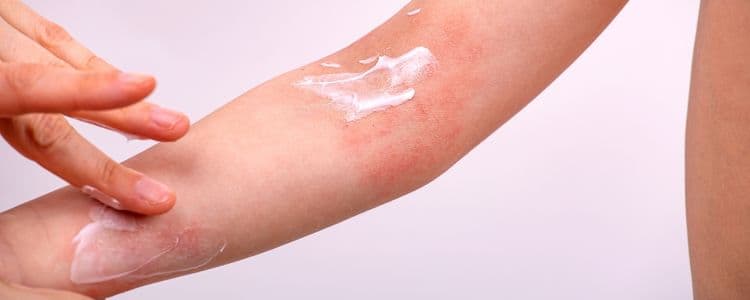
Eczema Care in Indian Climate: Gentle Homoeopathic & Lifestyle Tips
India has such a rich culture—the festivals, the incredible food, those warm sunny days. But if you’re dealing with eczema care in India, the humid weather here can throw you some curveballs. The humidity gets crazy, the heat’s intense, and seasons shift suddenly, which messes with how your skin feels and acts. Getting help from […]

Magnesium Deficiency: What It Is, What Causes It, And How To Test for It at Home
Magnesium is a vital mineral that quietly supports many functions in the body, from maintaining energy levels to keeping nerves and muscles working smoothly. Because its role often goes unnoticed, many people do not realise when their levels begin to drop. Over time, a low intake or poor absorption of magnesium can lead to a […]

Cervical Cancer in India: The Silent Health Challenge Women Face
Cervical cancer in India has become one of the most pressing health issues for women, yet conversations around it remain limited. Many women are unaware of the early signs, and often, symptoms are dismissed as routine health concerns. By the time cervical cancer diagnosis is confirmed, it is usually at an advanced stage, making care […]

Spondylitis Awareness: Daily Care & Gentle Homoeopathic Support
If you’ve ever woken up with a stiff back, a tight neck, or that dull, nagging ache that travels across the spine, you know how frustrating it can feel. Many people push through their days with these symptoms, assuming it’s just “age catching up,” a bad mattress, or too much screen time. But for many […]
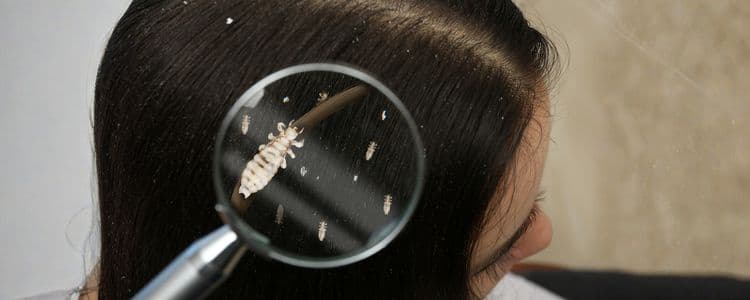
Head Lice in Kids: What Causes Them, Myths, and How to Care for Them
Parents, especially those with young kids who go to school, often worry about head lice. Just one mention of lice can make anyone in the house feel worried and uncomfortable. These bugs can not only make you itch, but they can also make you feel bad about yourself. Even though it’s a common problem, many […]

How To Stop Thumb Sucking Before It Damages Teeth: A Parent’s Guide To Breaking The Habit
Young children naturally and frequently develop the habit of thumb sucking, often associated with feelings of comfort and safety. It helps people cope with stressful, exhausting, or insecure times. In early childhood, it may seem harmless, but if the habit persists for too long, it can have a lasting impact on tooth alignment and growth. […]